Explore Modern Patio Doors
Best Trends in Sliding Doors: Latest Concepts for Every Home
Sliding doors are advancing to address contemporary design needs. Their ability to integrate interior and exterior environments has become increasingly sought after. Glass options establish a modern touch and maximize ambient lighting, while rustic barn doors impart a unique aesthetic. Homeowners now have assorted selections and approaches to reflect on. As these trends gain acceptance, understanding their consequences on functionality and design becomes indispensable. What choices will best suit your space?

The Increase of Glass Sliding Doors: Why Transparency Matters
As more homeowners seek to blend indoor and outdoor spaces, glass sliding doors have experienced a rise in demand. These doors provide a smooth transition, allowing natural light to fill interiors while providing unobstructed views of gardens and landscapes. Their sleek design elevates modern aesthetics, making them a favored choice for contemporary homes.
The application of clear substances fosters a sense of openness, establishing an inviting atmosphere that connects living spaces. Homeowners appreciate the thermal performance that modern glass technology provides, with alternatives including double glazing that insulate against temperature fluctuations. Moreover, glass sliding doors are offered in various configurations, accommodating different design aesthetics and tastes.
Safety elements, such as tempered glass and robust locking mechanisms, ensure protection without sacrificing style. Ultimately, the rise of glass sliding doors reflects a desire for functional beauty, merging elegance with functionality in today's home design landscape.
Embracing Rustic Charm: The Attraction of Barn Door Styles|Discovering Countryside Beauty: The Elegance of Barn Door Options|Celebrating Pastoral Warmth: The Attraction of Barn Door Looks|Adopting Rustic Sophistication: The Magnetism of Barn Door Choices
Barn door options showcase an alluring portrayal of traditional character, becoming increasingly popular in up-to-date interior design. These doors masterfully integrate functionality and aesthetic appeal, offering a remarkable feature in various spaces. Identified by their sturdy construction and often distressed finishes, barn doors produce a sense of longing for the past while providing contemporary utility.
Typically made from wood, these sliding doors can be customized in various colors and textures, allowing homeowners to match them to their existing decor. Their space-saving design is particularly advantageous in smaller homes, where traditional copyrightd doors might be unsuitable. Barn doors can serve as room dividers, closet doors, or even bathroom entries, improving the overall flow of a home.
The rustic appeal of barn doors provides warmth and nurtures a storytelling essence, rendering them a perpetual favorite for individuals hoping to weave unique character into their living areas.
Bi-Fold vs. Pocket Doors: Which Is Most Appropriate for Your Space?
Which door style suits best a occupant's requirements: bi-fold or pocket doors? Both options offer unique merits, addressing different space requirements and aesthetic preferences. Bi-fold doors feature assorted panels that fold back against themselves, creating a wide opening. This method is great for uniting outdoor and indoor settings, enhancing natural luminosity, and ensuring an seamless access. They work well in larger settings, such as patios or dining rooms.
Conversely, pocket doors move into the wall, completely disappearing when opened. This advantage expands floor space and works wonderfully for compact spaces, such as bathrooms or closets, where swing space is restricted. Pocket doors deliver a minimalist, sleek look, enhancing modern interiors.
Ultimately, the decision between bi-fold and pocket doors depends on the specific layout and performance desired in a home. Homeowners should evaluate their space to identify which option aligns best with their design preferences and lifestyle needs.
Choosing the Right Material for Your Slide Door: Wood, Aluminum, or Vinyl?
Selecting a glass door means that the decision of substance plays an essential function in both functionality and aesthetics. Wood offers coziness and a timeless appeal, rendering it a popular pick for vintage locations. Conversely, metal provides resilience and a sleek, up-to-date look, appealing to modern compositions.
Wood: Coziness And Elegance
Wooden sliding doors offer a distinctive sense of warmth and beauty that can revamp any space. Their authentic patterns and rich hues create an warm atmosphere, making them a popular choice for both contemporary and traditional interiors. The adaptability of wood allows for various finishes, from sleek varnishes to natural dyes, catering to various design preferences. In addition, wood offers excellent insulation properties, enhancing energy efficiency while adding a comfortable atmosphere. The textured feel of wood, combined with its ability to harmonize other materials, contributes to a serene ambiance. Moreover, wooden doors can be customized in size and style, ensuring a perfect fit for any opening, thereby elevating the overall design of a home.
Aluminum: Robust Construction And Cutting-edge Appeal
Aluminum sliding doors provide a blend of durability and modernity, making them an appealing choice for contemporary spaces. Known for their strength, aluminum can withstand harsh weather conditions without warping or rusting, ensuring long-term performance. This material is lightweight yet robust, facilitating smooth operation and ease of installation. Additionally, aluminum's sleek finish complements various architectural styles, enhancing the aesthetic appeal of any home.
Energy efficiency is also a important benefit, as modern aluminum doors often feature thermal breaks that minimize heat transfer. With a broad selection of colors and finishes available, homeowners can personalize their doors to match their design needs. Ultimately, aluminum sliding doors provide a functional and elegant solution for anyone looking to enhance their living space.
How Smart Automated Sliding Doors Can Enhance Your Home's Security?
Smart sliding doors enhance home safety through high-tech security features that deliver increased protection to intrusion. Additionally, many models include embedded monitoring technology, allowing homeowners to view their doorways in real-time. With smooth home automation connectivity, these doors can be managed from anywhere, offering reassurance and convenience.
High-Tech Locking Mechanisms
Even though conventional sliding doors include basic security aspects, modern advancements in locking systems have significantly enhanced home safety. Today’s sliding doors can be fitted with advanced locks using keyless entry, biometric scanning, or smartphone connectivity. Such features allow homeowners to observe access remotely and manage who enters their home, adding an extra layer of protection. Some systems also include automatic locking features that engage as soon as the door is closed, ensuring security without manual action. Additionally, multi-point locking systems distribute pressure across the door frame, making forced entry considerably more difficult. Consequently, advanced locking mechanisms in sliding doors deliver both convenience and a marked improvement in overall home security.
Integrated Surveillance Cameras
With homeowners increasingly seeking comprehensive security solutions, integrated security cameras in sliding doors have become a valuable addition. These cameras deliver live surveillance, enabling residents to track entry points directly from their smartphones or other devices. By utilizing crisp video and night vision technology, these systems increase visibility and discourage potential intruders. Moreover, many models come with motion detection alerts, making sure homeowners are promptly informed of any suspicious activity. The seamless integration of these cameras within the door design maintains aesthetic appeal while enhancing security measures. Furthermore, recorded footage serves as key evidence in event of incidents, further pointing out the significance of integrated security cameras in modern sliding door designs.
Smart Home Implementation
Incorporating smart home technology into sliding doors adds an additional layer of security that supports integrated security cameras. Smart sliding doors can be fitted with innovative locking systems controllable remotely through smartphone apps. This option enables homeowners to monitor and secure their doorways from anywhere, enhancing reassurance. Additionally, numerous smart doors include sensors that notify users of unauthorized access attempts with real-time alerts. Automated locks can be scheduled to engage at certain times, preventing accidental open-door incidents. Moreover, the integration with smart home ecosystems allows for effortless coordination with other devices, like alarms and lighting, creating a comprehensive security framework. All in all, smart sliding doors demonstrate a state-of-the-art strategy for improving home safety.
Enhancing External Living: Creating Seamless Inside-Outside Transitions
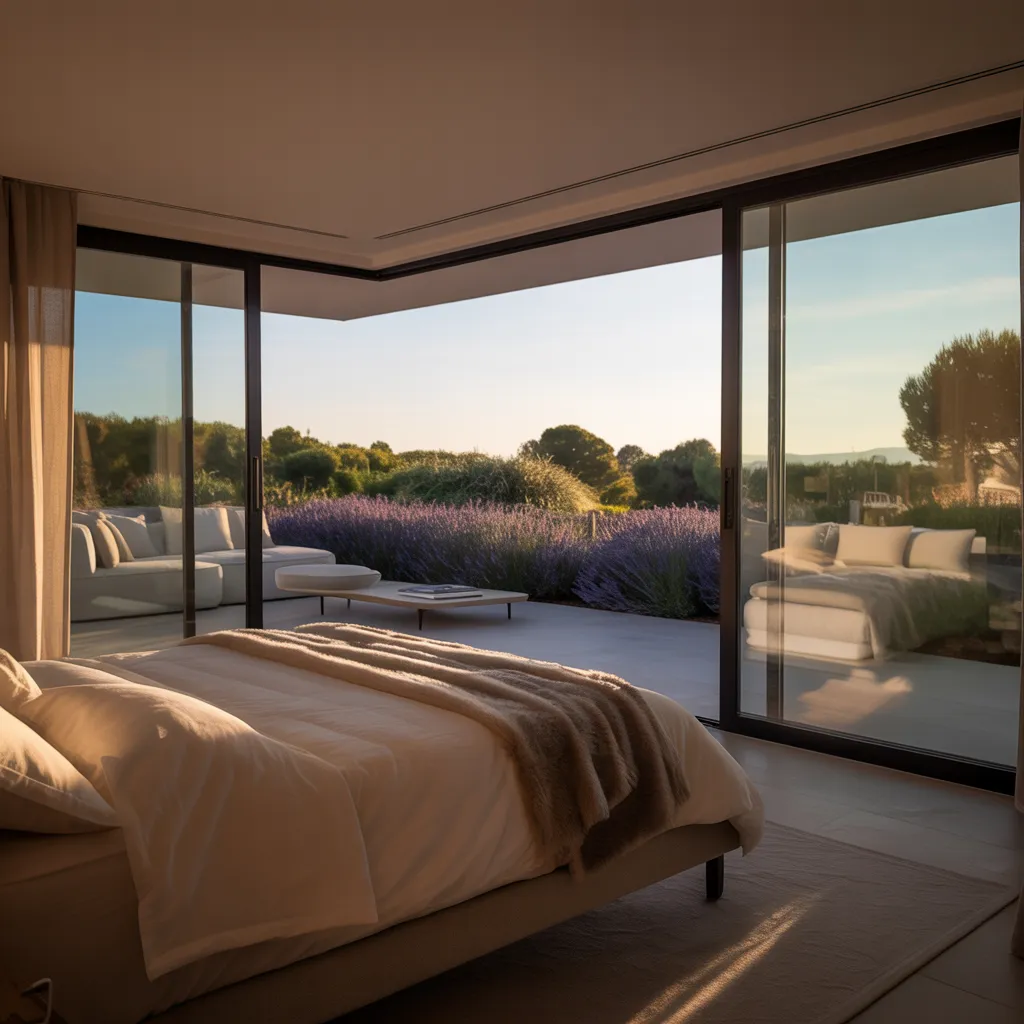
Seamless inside-outside transitions have become a hallmark of contemporary architecture, converting living spaces into cohesive settings that blur the lines between inside and outside. This trend is prominently featured in the use of glass doors that slide, which facilitate easy access to outdoor areas such as patios and gardens. By incorporating large glass panels, these doors not only enhance natural light but also offer unobstructed views of the surroundings, establishing an inviting atmosphere.
work with any design aesthetic, rendering them a versatile choice
Customization Choices: Adjusting Sliding Doors to Complement Your Preferences
The allure of sliding doors extends beyond their usefulness; personalization options enable homeowners to tailor these elements to their unique aesthetic desires. Different materials, such as wood, aluminum, and fiberglass, deliver different looks and strength. Homeowners can choose from a range of finishes, including paint, stain, and natural textures, guaranteeing that the sliding doors match their interior and exterior designs.
Glass options also play a major role in modification. Homeowners may pick between clear, frosted, or tinted glass to find this resource obtain the desired level of discretion and light transmission. Additionally, hardware styles and colors, including handles and tracks, can be tailored to create a cohesive look.
At last, homeowners can assess creative arrangements, such as bi-fold or pocket doors, facilitating enhanced flexibility in visual presentation. This level of customization guarantees that sliding doors not only enhance functionality but also reflect individual style and taste.
Popular Inquiries Posed Often
How Do Sliding Doors Influence Daylight in a Room?
Sliding doors markedly improve natural light in a room by presenting large see-through panes, allowing sunlight to penetrate deeper into the space. This brightness creates a lighter, more welcoming atmosphere while visually expanding the area.
What maintenance requirements do sliding doors require?
Sliding doors necessitate regular care, encompassing cleaning tracks to stop particle buildup, conditioning rollers for smooth performance, and inspecting seals for signs of wear. Regular assessments guarantee extended durability and optimal function in any residential space.
Can Sliding Panels Be Installed in Small Spaces?
Sliding doors are effectively fitted in small spaces, offering a space-saving solution. Their ability to slide open rather than swing makes them ideal for tight areas while enhancing natural light and openness.
Are Sliding Doors Energy-Efficient Options for Homes?
Sliding doors provide energy-efficient choices for homes, especially when equipped with double or triple-glazed panels. Their effectiveness to minimize air leakage and maximize natural light contributes to overall energy savings and comfort.
What Steps Should I Take to Select Sliding Door Accessories?
To select the correct sliding door components, one should consider load-bearing capability, material compatibility, design aesthetics, and installation simplicity. Additionally, consulting with professionals ensures functionality aligns with personal style and safety needs.